Program tracks & special electives
Customize your learning to achieve your individual professional goals. All tracks begin in the PGY-2 year and are available to all residents through an application process.
IMPACcT
IMPACcT (Improving Patient, Access, Care, and cost through Training) is an inter-professional primary care training program in the Division of General Internal Medicine. IMPACcT focuses on team-based care in primary care delivery, incorporating faculty and learners from behavioral health, pharmacy, and physician assistant studies into a medicine resident-led team of providers. There is an emphasis on innovative care delivery models to enhance both patient and provider satisfaction. In addition to providing inter-professional care, participants in IMPACcT partake in regular inter-professional educational programs and enhanced mentoring for career development.
Residents in IMPACcT have their own dedicated clinic panel, faculty, and space at 865 Northern Blvd.
Clinician educator track
The Clinician Educator Track is designed to meet the needs of those residents interested in pursuing a career in medical education. It is a two-year longitudinal curriculum for PGY-2s and PGY-3s. Interested residents will apply in the winter of the PGY-1 year. The program includes both longitudinal and immersive experiences.
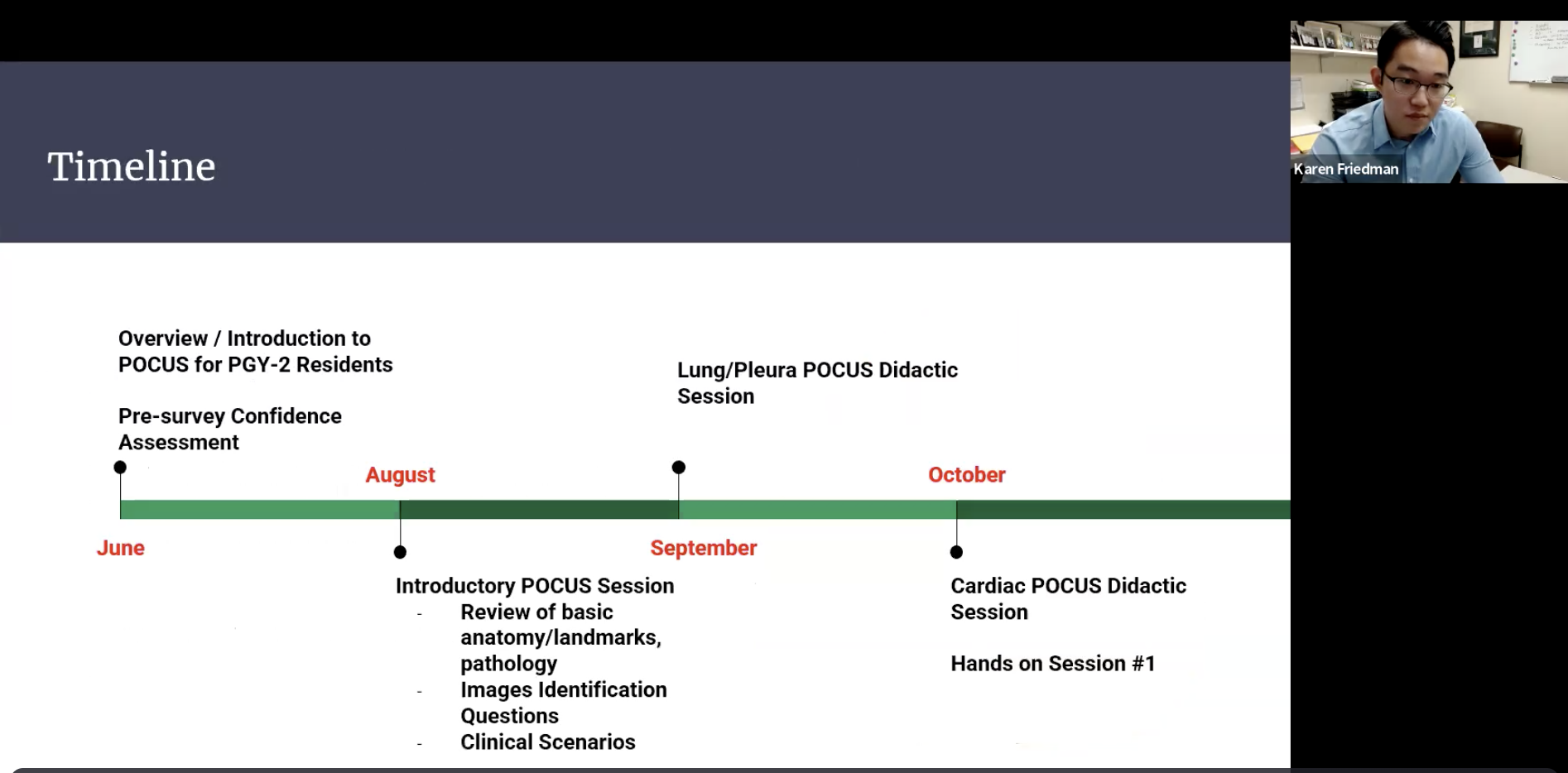
Track residents will attend four protected group learning retreats per year, as well as experiential opportunities to practice direct teaching skills. They will also develop and implement a novel curriculum for the residency program. Those who fulfill the requirements of the track will be awarded a certificate of distinction. Below is an image of a recent graduate, Joseph You, MD, presenting his clinician educator track project at grand rounds.
Research track
The research track prepares residents for a career as clinician researchers. It is designed to make the process of conducting research during residency easier, more educational, and more productive. Key components of the research track are protected elective time for research and support from core research faculty. The program is ideal for residents who would like to gain a more in-depth research experience. Residents participating in the research track are expected to submit at least one manuscript for publication and one presentation to a professional meeting.
Global health
The Global Health Track is for a limited number of residents. Residents will spend 5-6 weeks abroad with Global Health Faculty. Prior residents have done their rotation in Uganda and Zimbabwe.
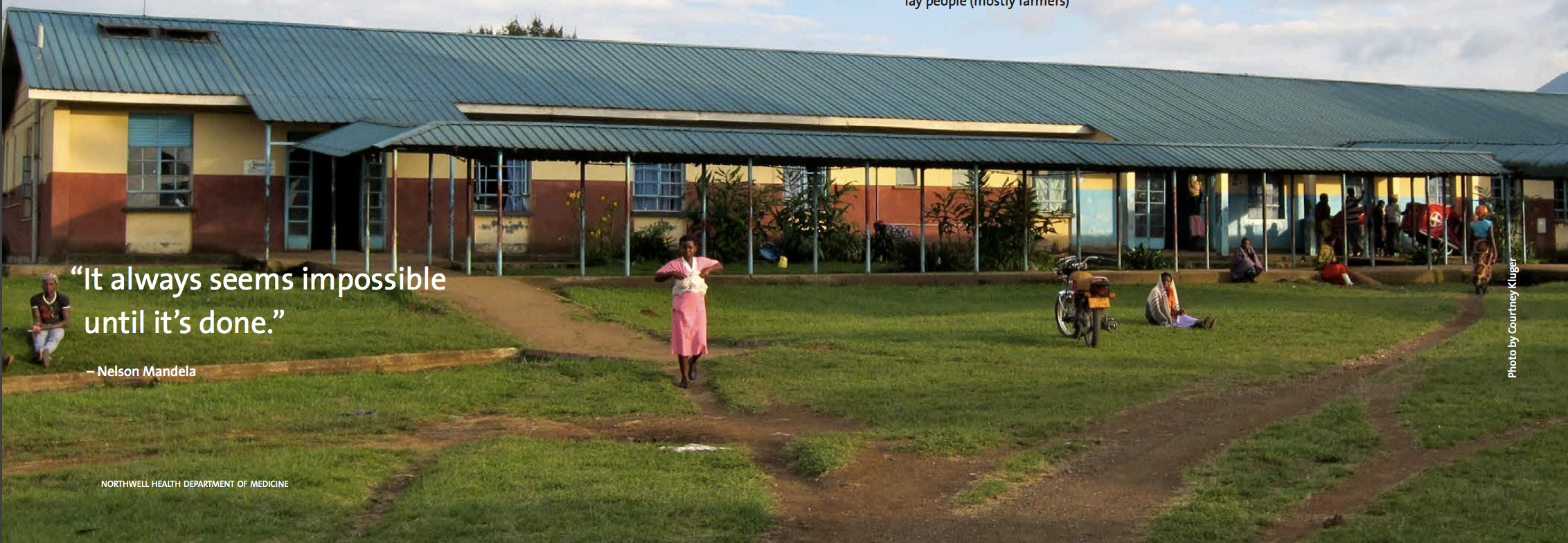
The Uganda Global Health experience takes place in a remote, rural district hospital in Kisoro, kilometers from the borders of Congo and Rwanda. The hospital has few resources and one to three Ugandan physicians covering all of medicine, surgery, pediatrics and obstetrics. These physicians also cover very busy outpatient medicine and HIV services. This rotation is 100% dependent on clinical skills (history and physical exam); there are almost no labs, images, or consultants. Montefiore residents have been rotating there since 2006 and Northwell residents since 2014. Residents cover wards of 30-40 patients and do three to seven admissions every day. The work day is 11-12 hours a day, six days a week (no night call). Supervision and teaching are provided by Montefiore faculty year round.
Health Care Reform and Advocacy
Advocacy is one of the most innate skills physicians develop over the course of their undergraduate and graduate medical training. The healthcare policy and advocacy curriculum at our institution is focused on further developing the inherent skill in our residents. The curriculum is based on the premise that advocacy can be implemented at the local, regional, and federal levels. Through this track, two senior residents (PGY2s or PGY3s) experience regional policy by spending a month with the New York Chapter of American College of Physicians (NYACP). The track is intended to provide residents with a deeper understanding of health care reform, upcoming changes in the practice of medicine, and strategies to advocate at the legislative and executive level in New York State. Residents will have the opportunity to apply for local representation within the medical associations, attend chapter meetings, present at grand rounds, mentor medical students in op-ed journalism, and present at NYACP's annual scientific meeting. Members of the track are also invited to join our Healthcare Policy and Advocacy Committee which meets over the year to organize program wide debates, reflections, and local initiatives. This track is a unique experience tailored to each member's passions and is open to any physician interested in gaining a platform to guide our legislative colleagues, and our communities to adopt health policies that further the tripartite mission of medicine: improving healthcare delivery to our patients and communities, training a robust and diverse healthcare workforce, and building strong partnerships between legislators, administrators, and communities.
ENHANCE community health track
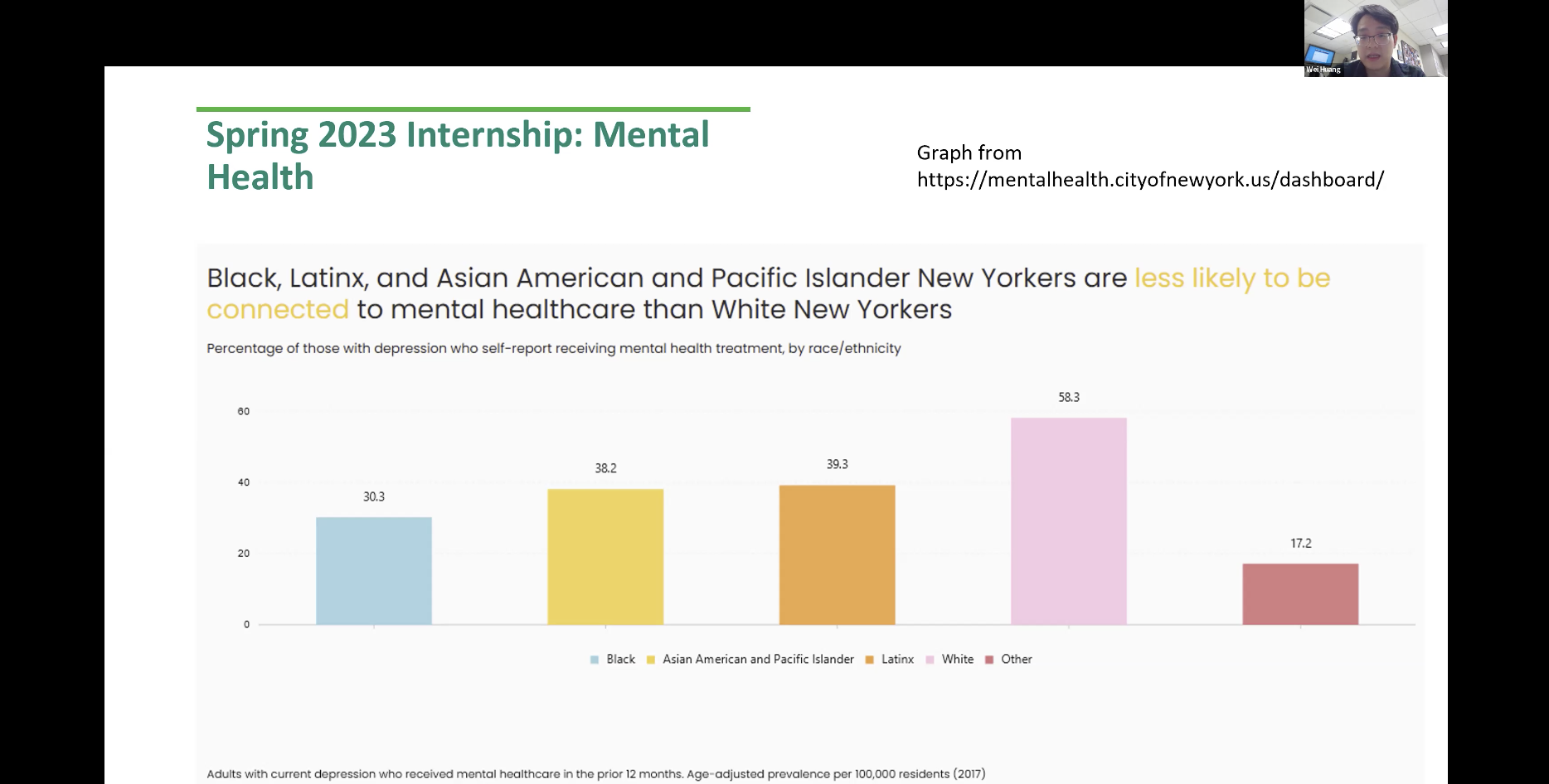
ENHANCE (ENgaging in Health Advocacy through Neighborhood Collaboratives and Education) is unique because it brings together trainees from the three primary care disciplines (internal medicine, family medicine and pediatrics) to evaluate and improve the health of various populations by creating longitudinal and meaningful partnerships with community-based organizations.
Residents gain skills in population health, social determinants of health, and community engagement. This track offers protected time for enhanced training in community health, the opportunity to work on a mentored project that fulfills requirements for an academic project (with additional opportunities for publication and/or presentation), mentorship by inter-professional and interdisciplinary faculty with expertise in community health, and graduation with a certificate of distinction.
ENHANCE allows our trainees to provide patient care outside the traditional four walls of a clinic, while learning social change agents.
Lifestyle medicine residency curriculum track
The lifestyle medicine residency curriculum (LMRC) is an opt-in residency track that allows for the education and possible certification of residents in lifestyle medicine. Lifestyle medicine is the evidence-based practice of lifestyle interventions/modifications that allow patients to prevent, treat, and even reverse chronic diseases. The LMRC will train residents in the six pillars of lifestyle medicine: nutrition, physical activity, restorative sleep, stress management, social connectedness, and avoiding risky substances.
The LMRC is a standardized educational track created by the American College of Lifestyle Medicine that acts as one of two possible routes to acquiring board certification in lifestyle medicine (DipABLM). Residents in the track will experience a mix of didactics, independent activities, patient encounters, and intensive therapeutic lifestyle change programs to learn, implement, and practice lifestyle medicine themselves and with their patients. Upon completion of both the educational and practicum components of the curriculum, residents qualify to sit for the American Board of Lifestyle Medicine certification exam. A partial implementation version of the track provides the education for residents who want to pursue a secondary track.
SHINE Track
The SHINE (Supporting House staff Instruction with Near-peer Education) track is an extension of the SHINE curriculum already provided to all residents. For those residents interested in growing their direct teaching skills and have completed a requisite number of SHINE sessions, this longitudinal track is designed to translate foundational topics taught in the SHINE curriculum into practice. Each participant is paired with at least two teaching mentors who provide ongoing feedback. Residents will participate in a wide breadth of educational activities in and outside of a dedicated 2-week elective. These include facilitation of intern and senior report, membership of the resident-student committee and clerkship student lecturer, peer preceptorship of resident clinic, leader of resident-led rounds, and provision of near-peer support on inpatient floors. Residents who complete the track will have developed their own teaching portfolio and receive a certificate of distinction.